


5 mistakes to avoid in the children's playroom
Setting up a playroom for your children means offering your child much more than just a space filled with toys: it means creating a world where they grow , learn, and flourish.
A well-designed games room should be on the ground floor , close to the living areas; this means less stress and more shared moments.
So, how do you transform a corner of the house into a children's playroom?

Setting up a playroom for your children
A playroom is often thought of as just a luxury. Wrong! It's a haven where children develop their imagination , learn to share , and above all, where they can give free rein to their creativity without the entire living room turning into a giant nursery. I remember watching my daughters transform cardboard boxes into castles, and their bursts of laughter were well worth a few hours of tidying up afterward.
So yes, setting up a playroom is life-changing, for them and for us.

The 5 mistakes to avoid in a game room (and how to turn them into advantages!)
Mistake 1: Focusing solely on design and forgetting practicality
I made that mistake… The result? A gorgeous sofa, but impossible to clean (thanks to permanent markers). To optimize space, choose practical and durable furniture that's easy to maintain and suited to a child's active lifestyle. A playroom should be beautiful, yes, but above all, it should be designed to stimulate independence and creativity without turning you into a cleaning slave.
Mistake 2: Overloading the game room
We think we're doing the right thing by buying lots of toys. Bad idea! Too many choices stifle creativity and complicate things . Create themed play areas : one for quiet activities, one for physical activity, one for arts and crafts. Less is more!
Mistake 3: Don't forget that your child grows up fast
Children grow up so fast! A static playroom quickly becomes outdated. Plan for a flexible layout : a playmat today, a small desk tomorrow, adjustable shelves. You'll support their development, encourage their motor skills and independence , and avoid having to rearrange everything every six months. A room that adapts is a room that lasts.
Mistake 4: Not involving the child in tidying up
Tidying up is also a learning experience. With accessible toy bins , illustrated labels and simple instructions, children learn to sort, classify and tidy.
The result? He develops his fine motor skills and sense of organization , and you find a little serenity at home.
Mistake 5: Neglecting quiet spaces
We often think about creating a space for physical play, but rarely about creating a quiet corner to unwind: a small teepee, cushions, a child-sized bookcase. This space soothes, stimulates creativity through reading or drawing, and helps children manage their energy. A good playroom is also about knowing how to slow down.
Our ideas for organizing children's rooms are carefully listed in this article.


The ideal furniture for organizing the playroom
Ah, tidying up... My obsession (and probably yours too, admit it!). For a playroom, focus on sorting bins , child-height shelves, and fabric baskets. I taught my daughters very early on to tidy up on their own, thanks to a simple system: one bin for Lego, another for dolls, and a third for books. And guess what? It works.
What are the essential elements of a games room?
To help children develop their imagination, it's important to provide them with modular items like Stapelstein polystyrene modules. Children use them in their own ways and play for hours.
You also need a toy box for pretend play, such as a play kitchen for playing restaurant or dolls for playing teacher.
The key is to optimize space to encourage independence and creativity , while maintaining good home organization . Even a small corner can become an adventure playground!
How to organize the play area effectively
The key? Define zones . A cozy reading nook with cushions, a construction area with an easy-to-clean rug, a table for creative activities. Be careful not to overcrowd: too many toys spoil the fun.
When I reduced the number of toys available, I saw my daughters rediscover forgotten treasures. And above all, remember to leave some empty space: that's where the best ideas are born!
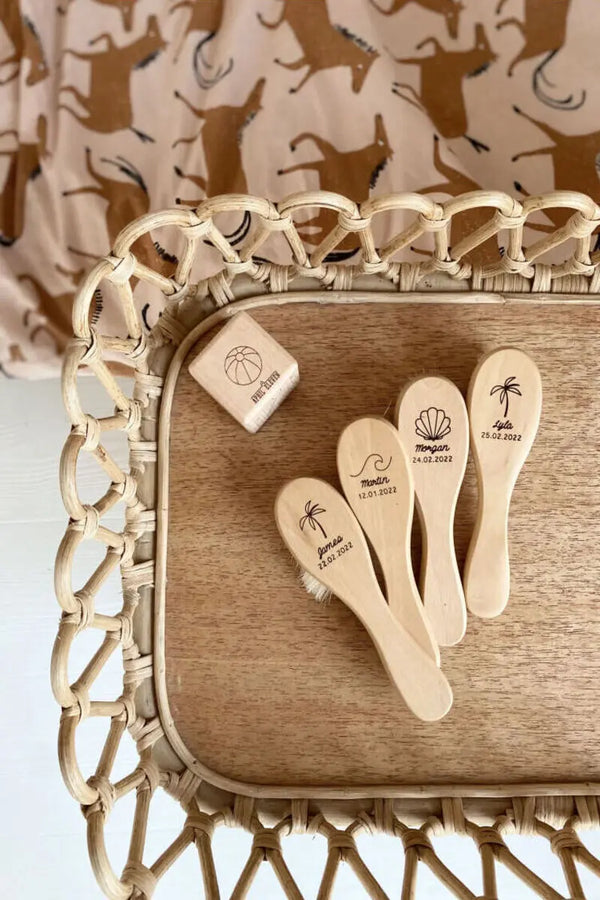
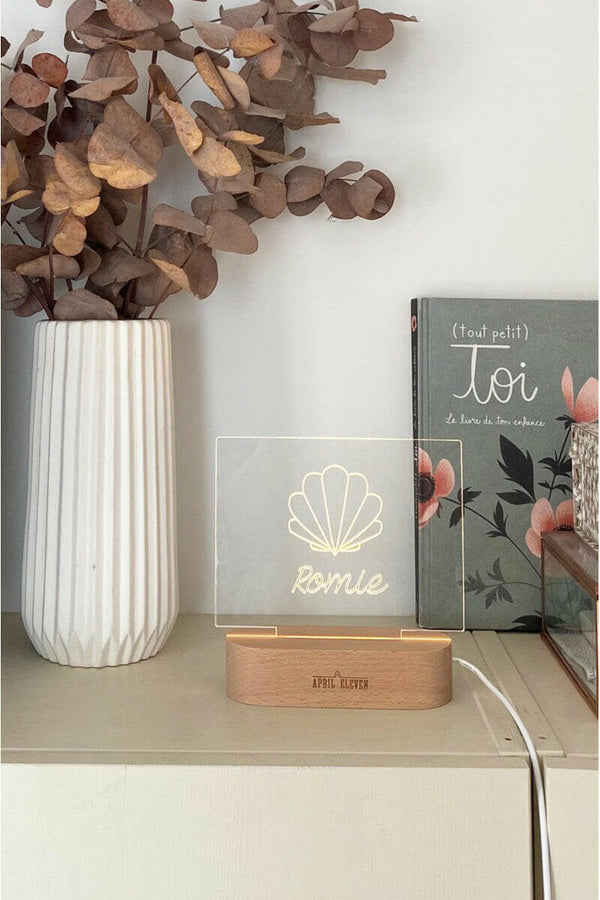
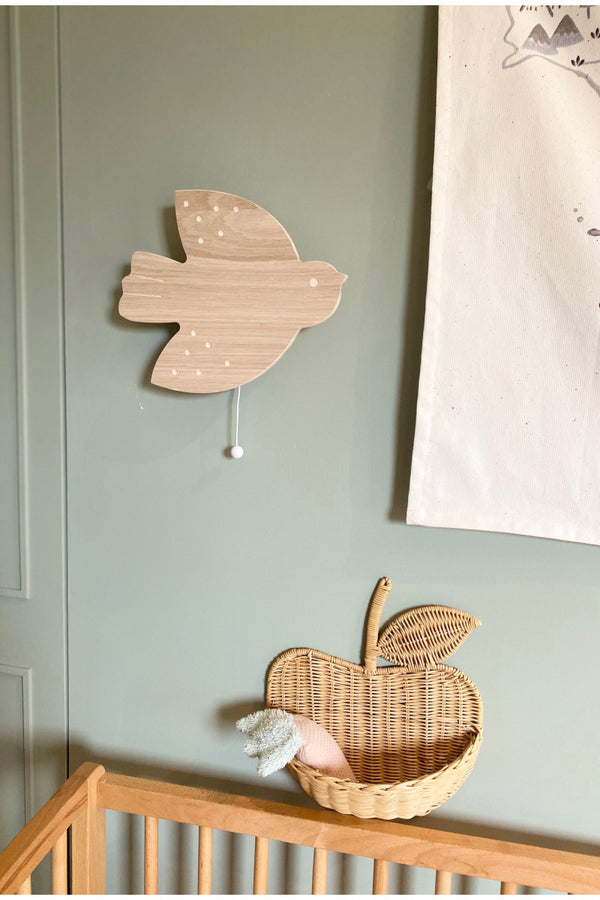
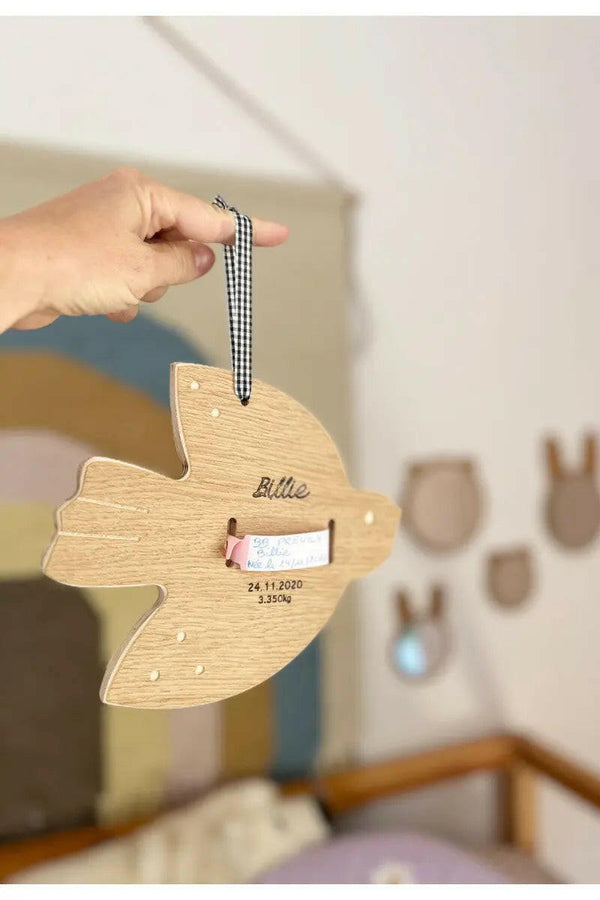

Creating a playroom at home is so much more than just a cute decoration! It's about creating a true learning space where children develop their motor skills , gain independence , and unleash their creativity . To make the most of the space , consider themed play areas : a cozy reading nook, a construction corner for hands-on activities, and a craft corner for experimentation. For toy storage , opt for accessible bins and clever home organization to encourage children to tidy up on their own. The result? A room that feels more spacious, less daily chaos, and a child who thrives in an environment that grows with them.

FAQ: Setting up a games room
Where can you set up a games room when you have limited space?
Think of a corner of the living room, under a staircase, or even a shared bedroom. It's all about organization.
How can I encourage my child to tidy their playroom?
Using simple, visual systems, and making the moment fun (small hourglass, challenge, song...)
What budget should be planned for setting up a games room?
It all depends, but with a little ingenuity (second-hand, DIY), you can create a stunning space without breaking the bank.
Does a games room change with age?
Yes, and it's even recommended: adapt the games, the furniture, and the atmosphere over the years.
Where can I find inspiration for designing a playroom?
On Pinterest, in home decor blogs like April Eleven , or while strolling around at friends' houses.


